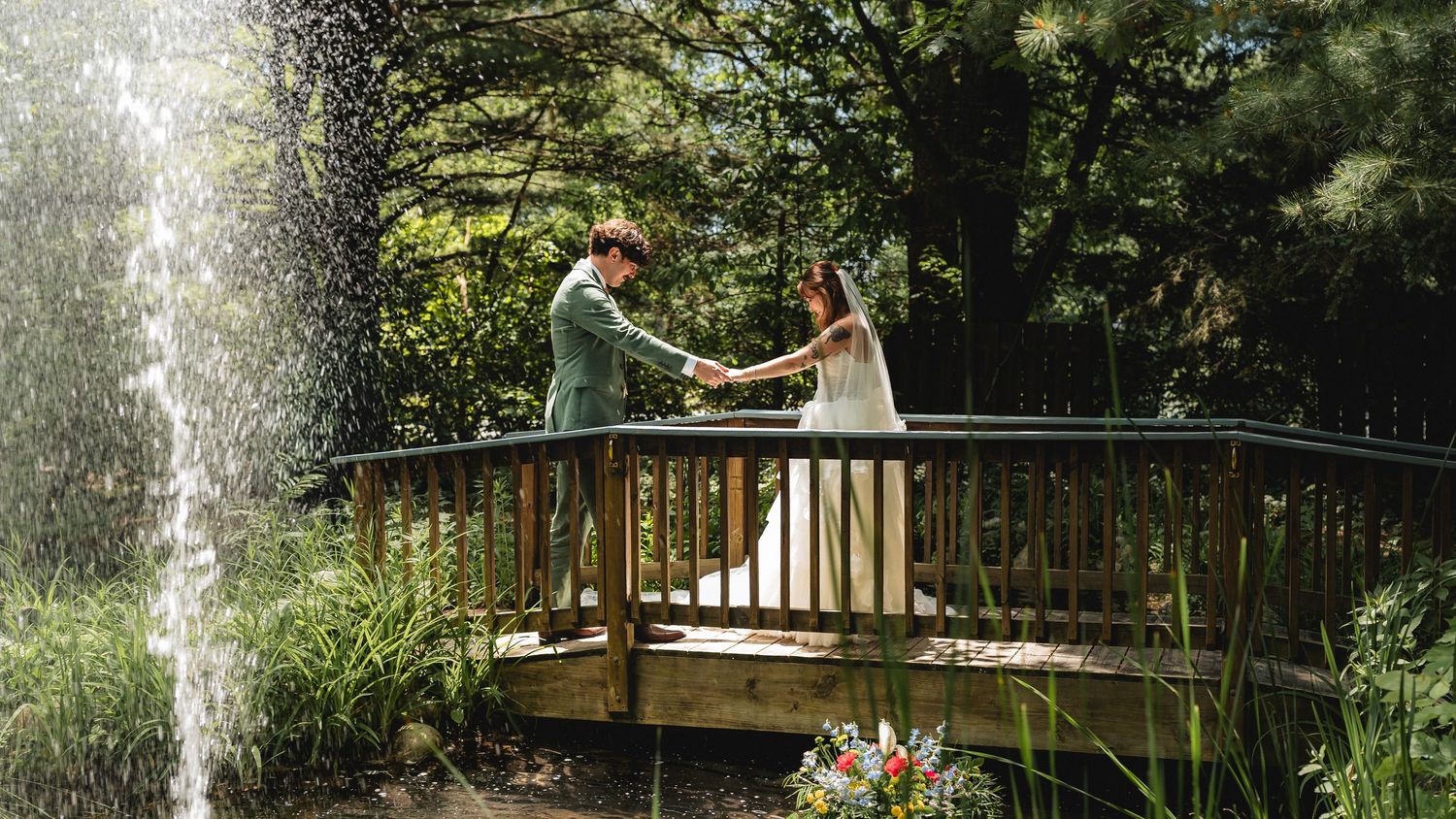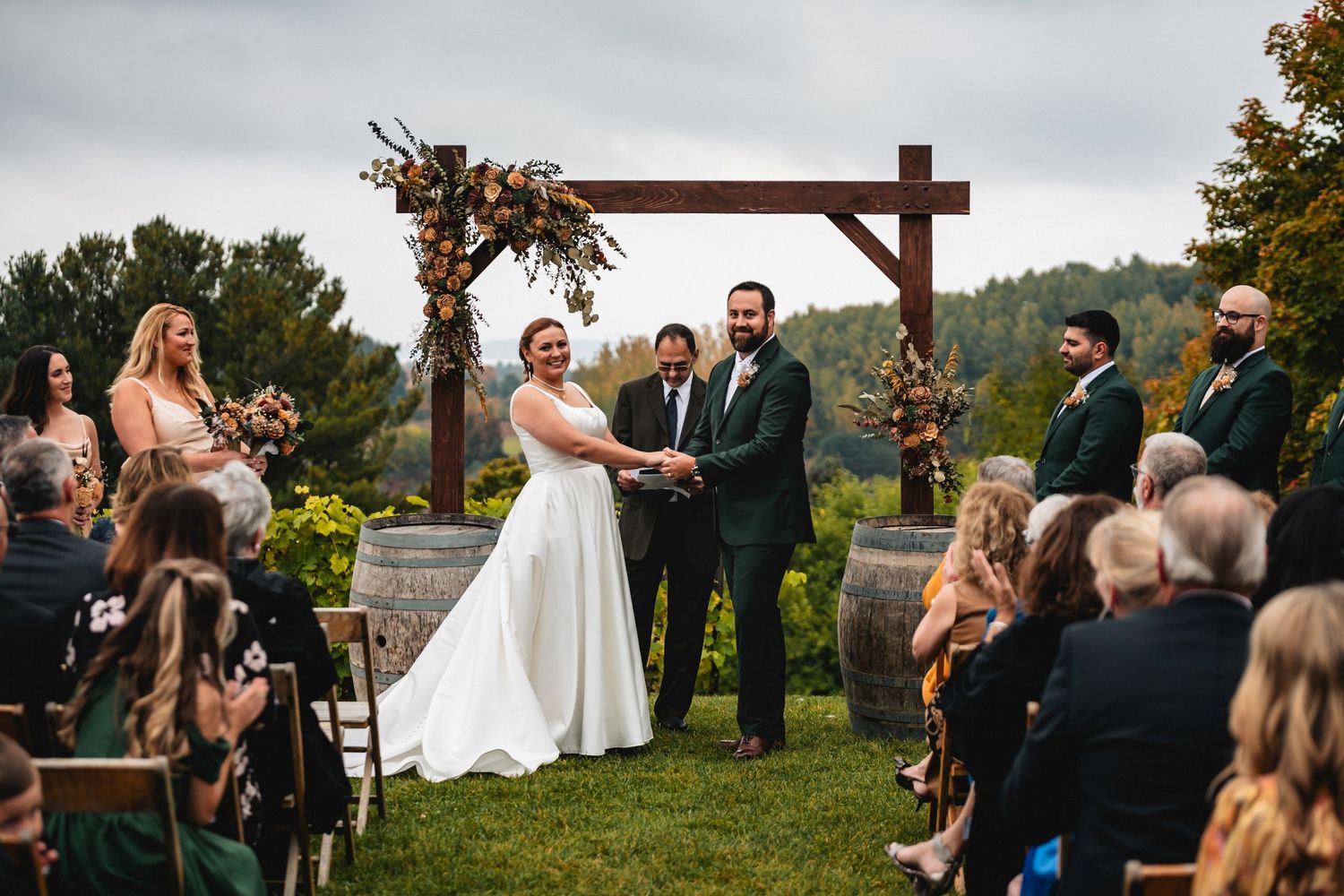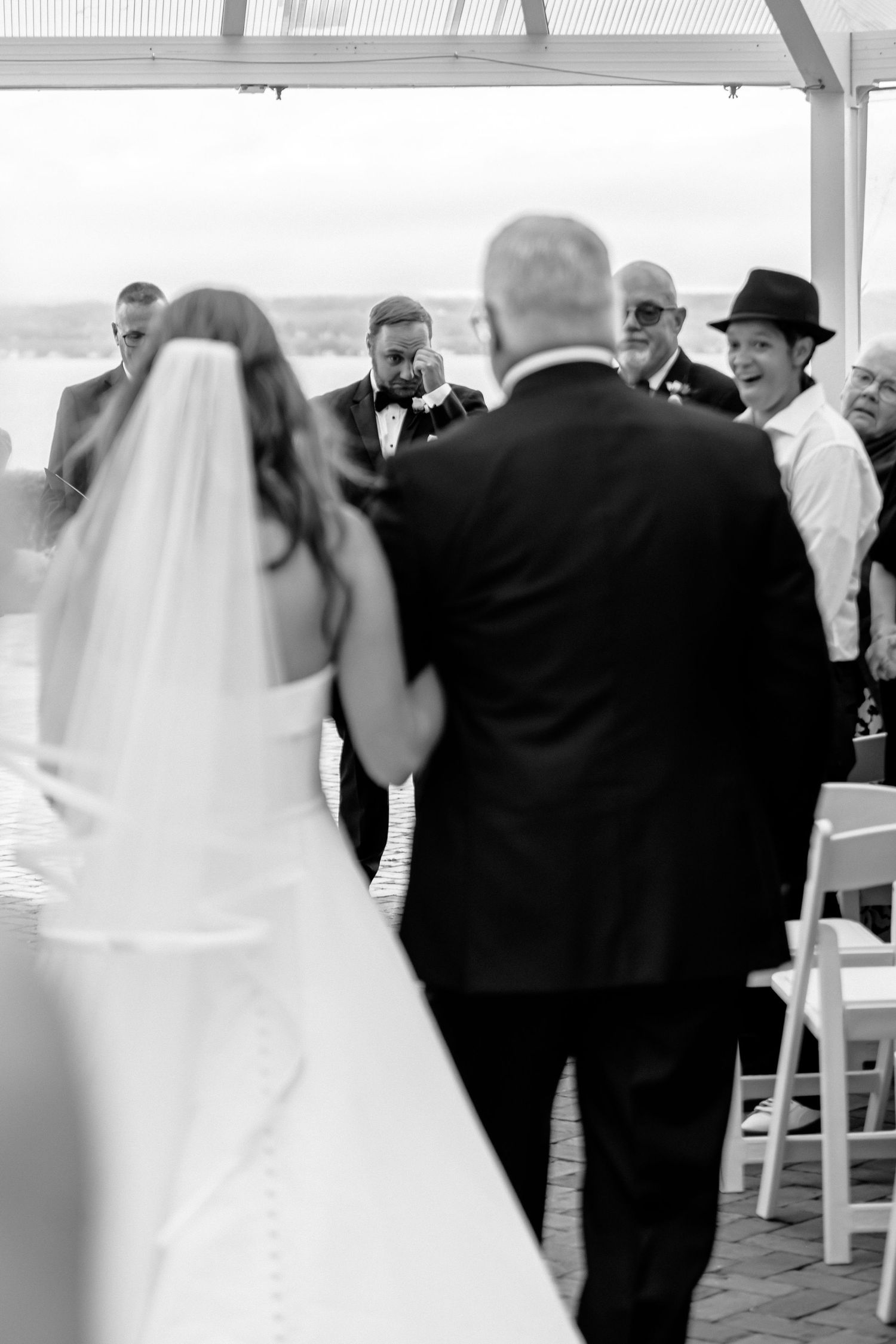
Being a second photographer at a wedding is one of the best ways to gain experience, build relationships in the industry, and earn income doing something you love. It is also a role that comes with significant responsibility.
A second photographer at a wedding supports the lead photographer by capturing alternate angles, photographing groom preparations, assisting with family portraits, documenting guest reactions, and helping create a complete wedding gallery. The role requires professionalism, strong technical skills, excellent communication, and a commitment to supporting the lead photographer's vision.
A wedding day is not a styled shoot. It is not a content day. It is not a chance to experiment on someone else's wedding.
Your job is to support the lead photographer, strengthen the final gallery, and help create an exceptional experience for the couple.
After years of photographing weddings and working with second photographers, here is what I believe every second shooter should know.
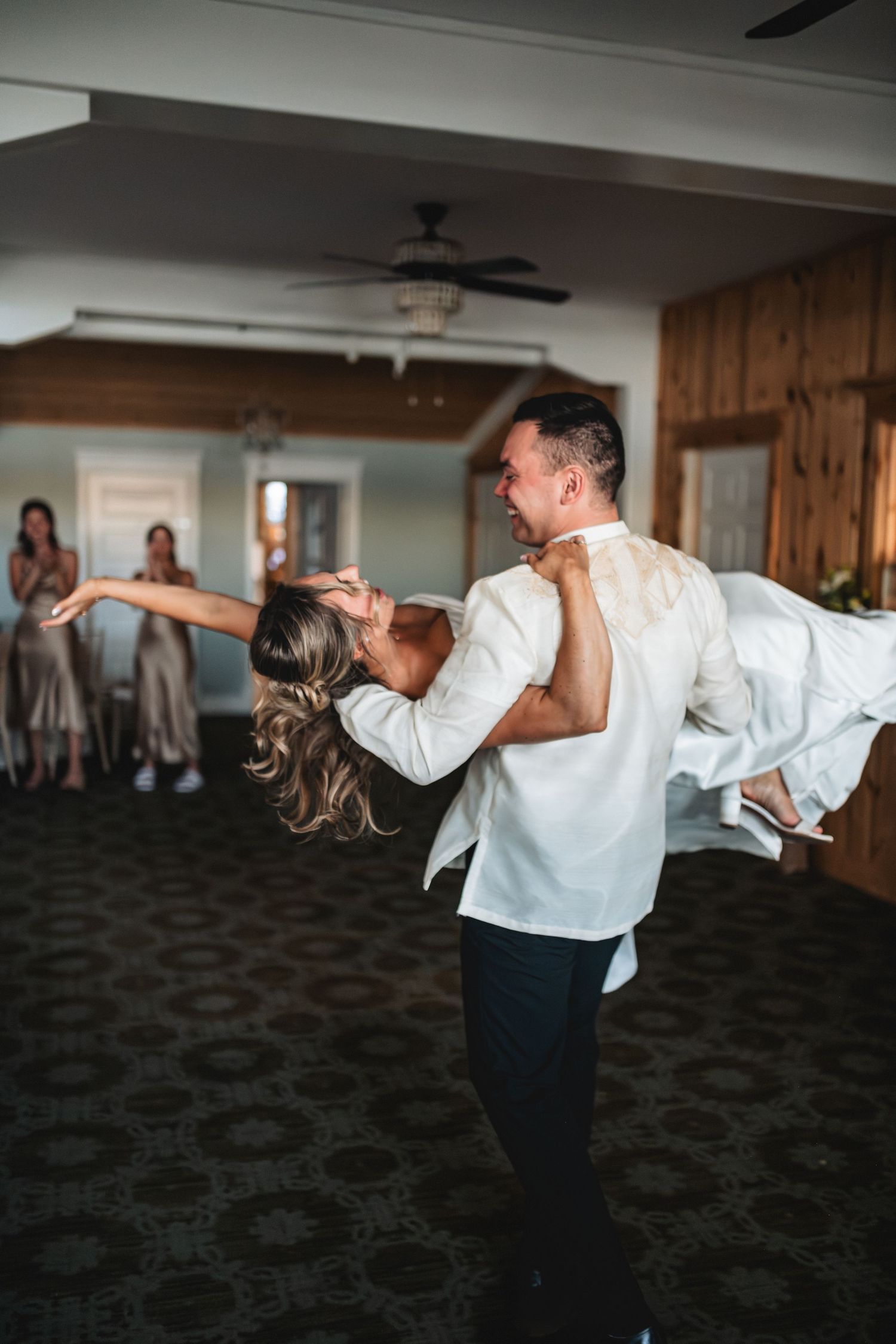
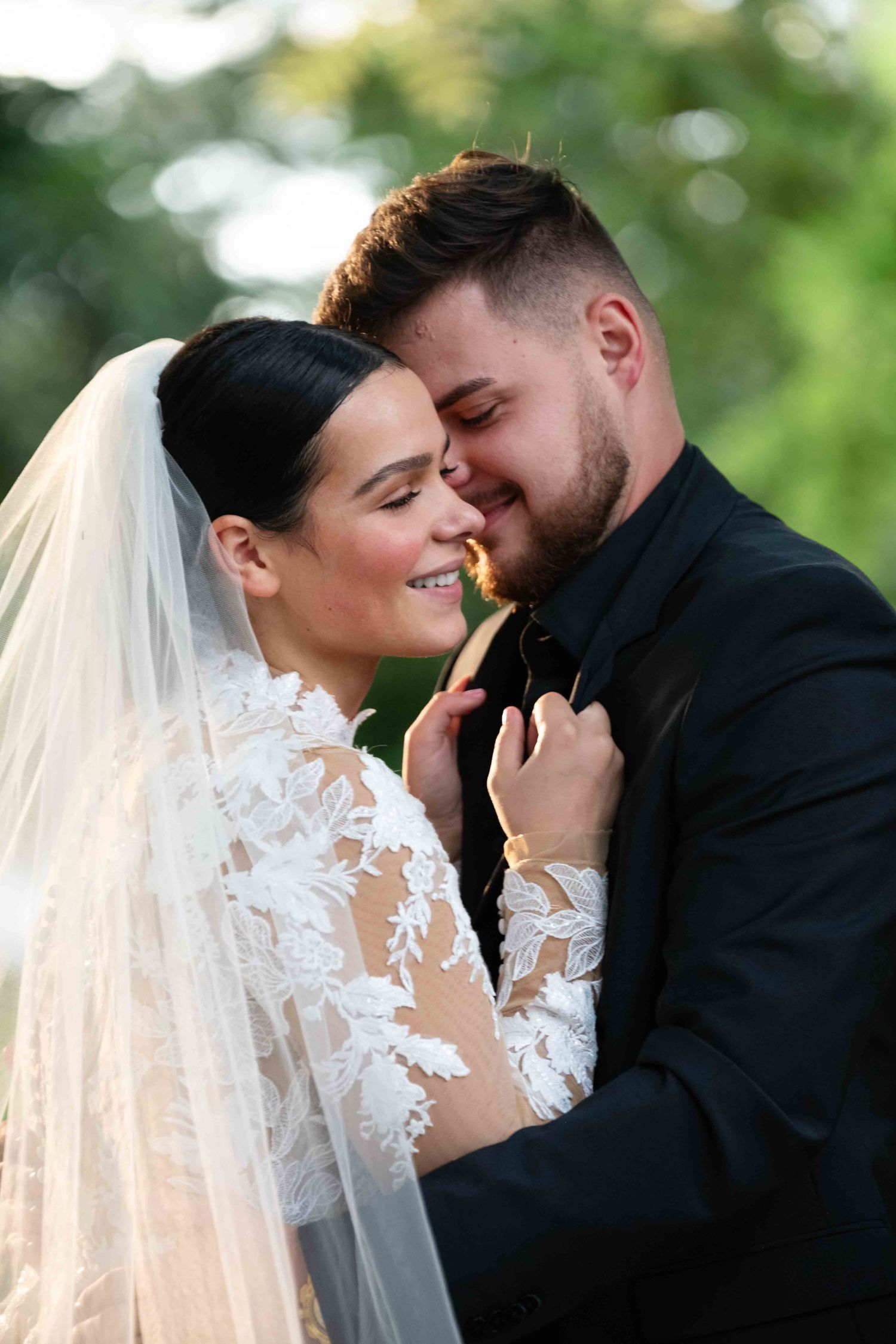
Understanding Your Role
The purpose of a second photographer is simple:
Capture what the lead photographer cannot.
You are there to provide alternate angles, tell the story from a different perspective, capture artistic moments, and support the lead photographer throughout the day.
The best second photographers are always asking themselves:
"What is missing from the gallery right now?"
If the lead photographer is photographing a moment, your goal is rarely to stand shoulder-to-shoulder and take the exact same image. Instead, look for a different angle, a different lens choice, a reaction shot, a detail, or a storytelling moment happening nearby.
Your role is to add value to the gallery—not duplicate it.
Common Responsibilities of a Second Photographer
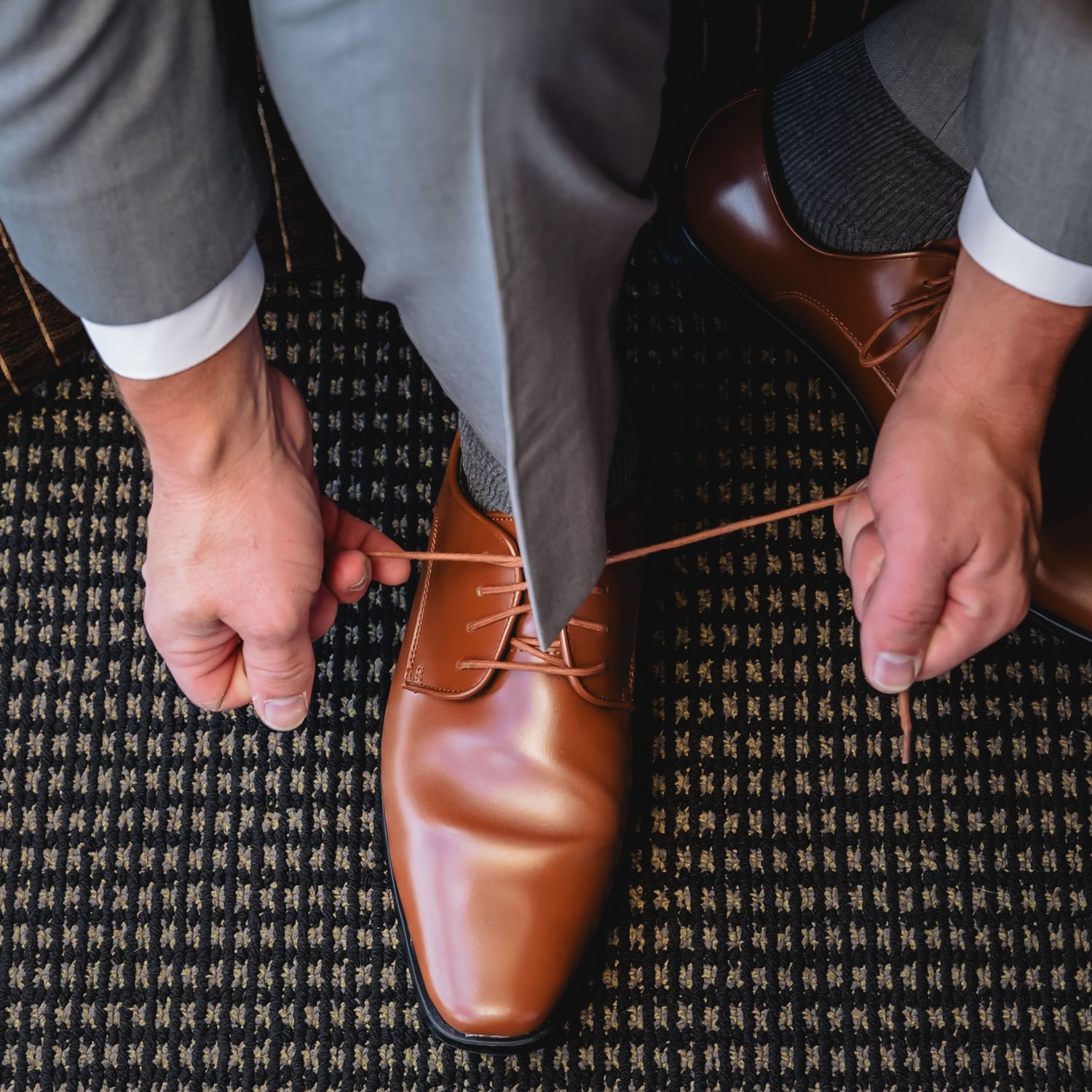
Groom Getting Ready Coverage
While the lead photographer is with the bride, the second photographer is often assigned to:
- Groom getting ready photos
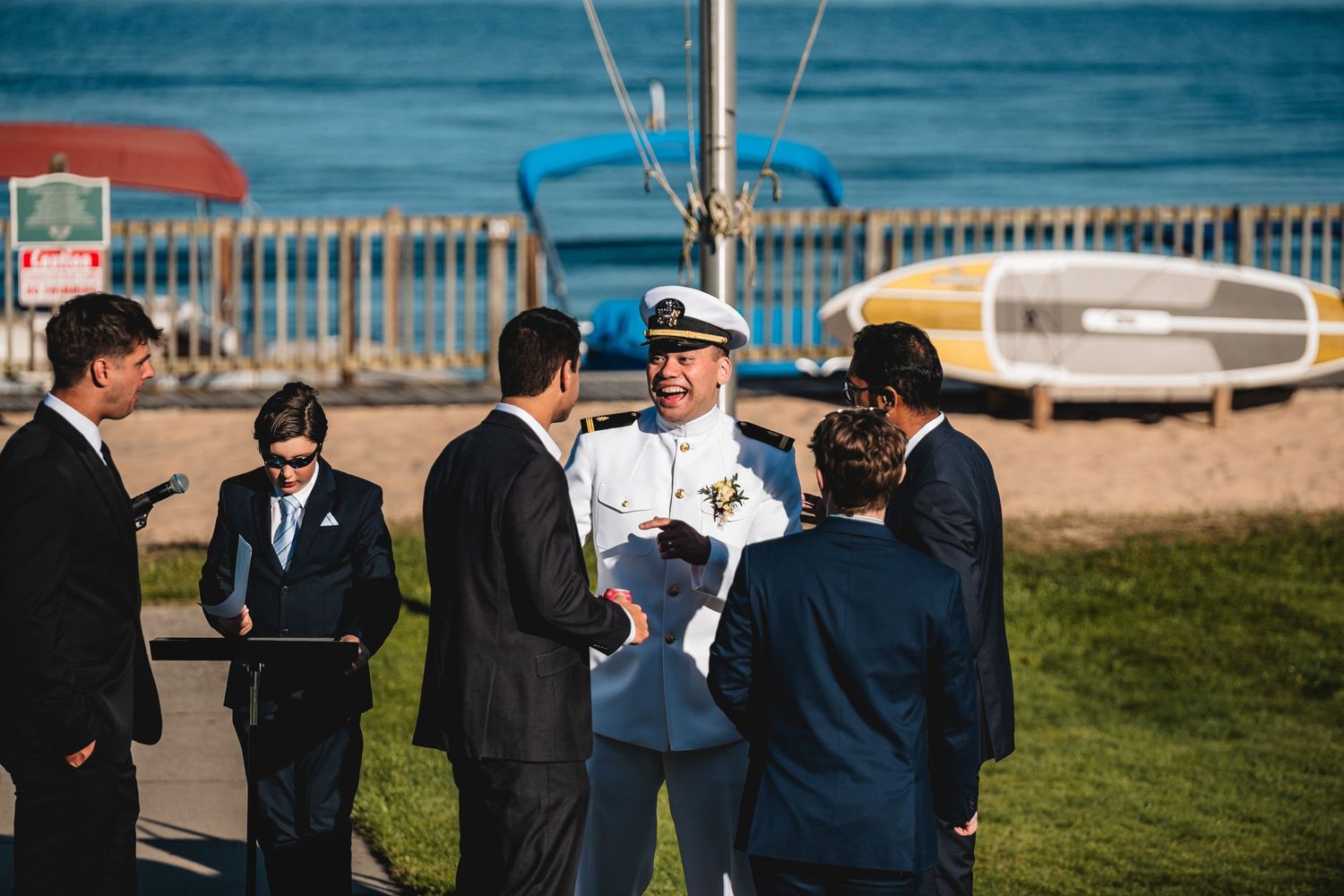
- Groomsmen interactions
- Groom portraits
- Groom detail photos
- Groom flat lay styling and photography
- Candid moments with family and friends
During the Ceremony
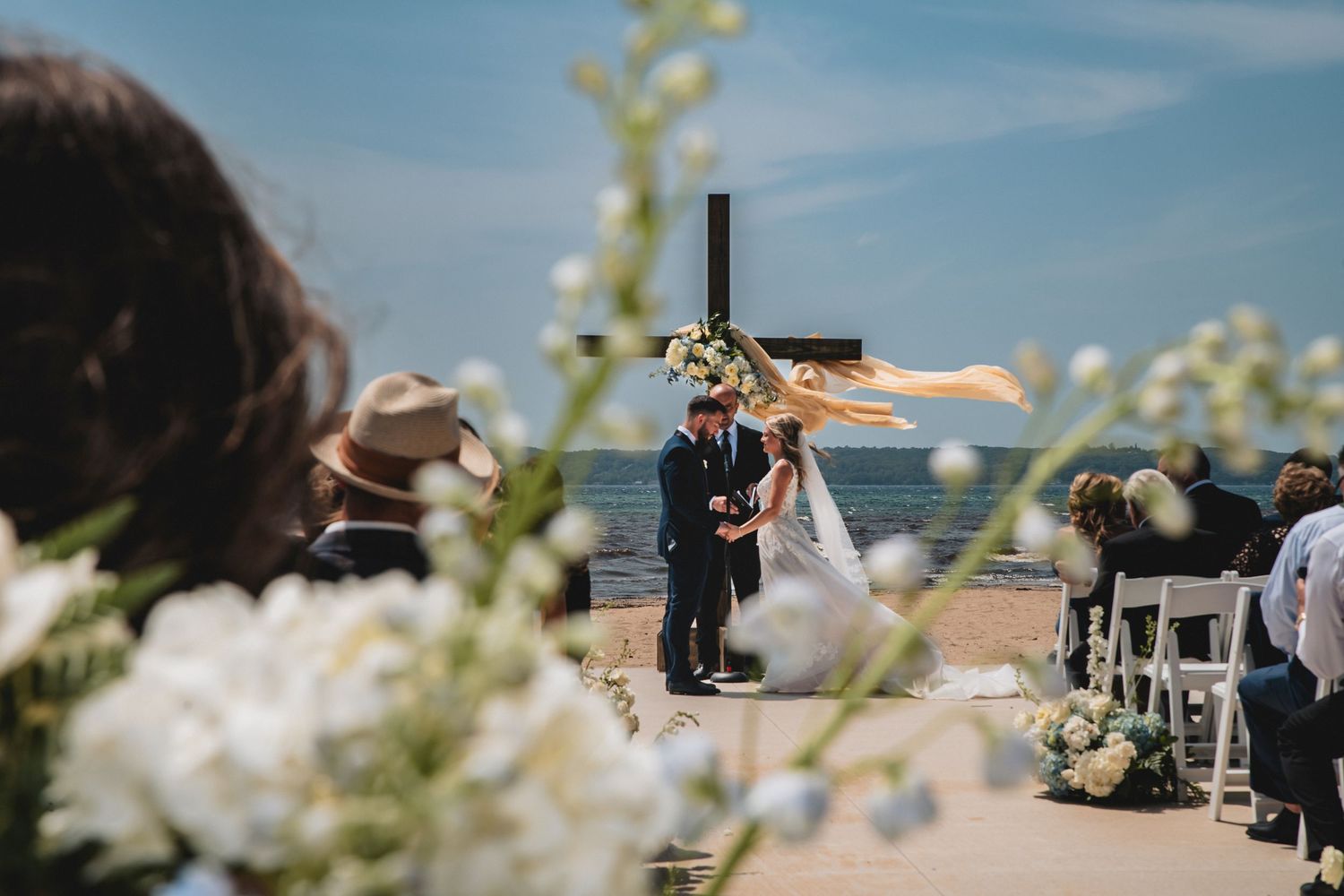
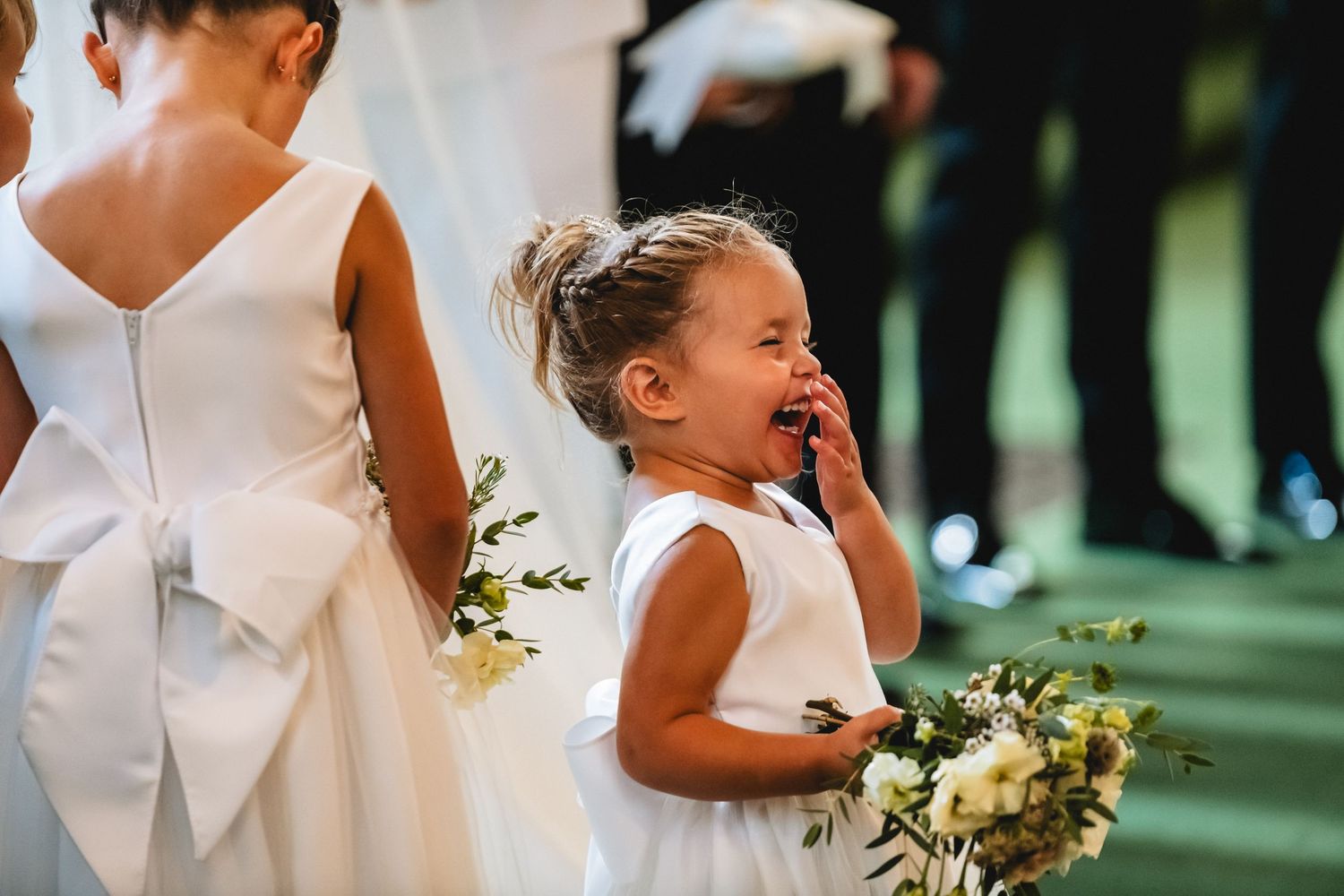
Some of the most important images captured by a second photographer happen during the ceremony.
Common assignments include:
- Capturing the groom's reaction as the bride walks down the aisle
- Alternate ceremony angles
- Parent reactions
- Guest emotions
- Wide environmental photographs
- Close-up storytelling moments
Supporting During Family Photos
One of the most valuable places a second photographer can help is during family portraits.
A strong second photographer should:
- Call out names from the family photo list
- Gather family members before they are needed
- Keep portrait flow moving efficiently
- Watch for missing people
- Help organize large groups
You become an extra set of eyes and hands that allows the lead photographer to stay focused on creating the images.
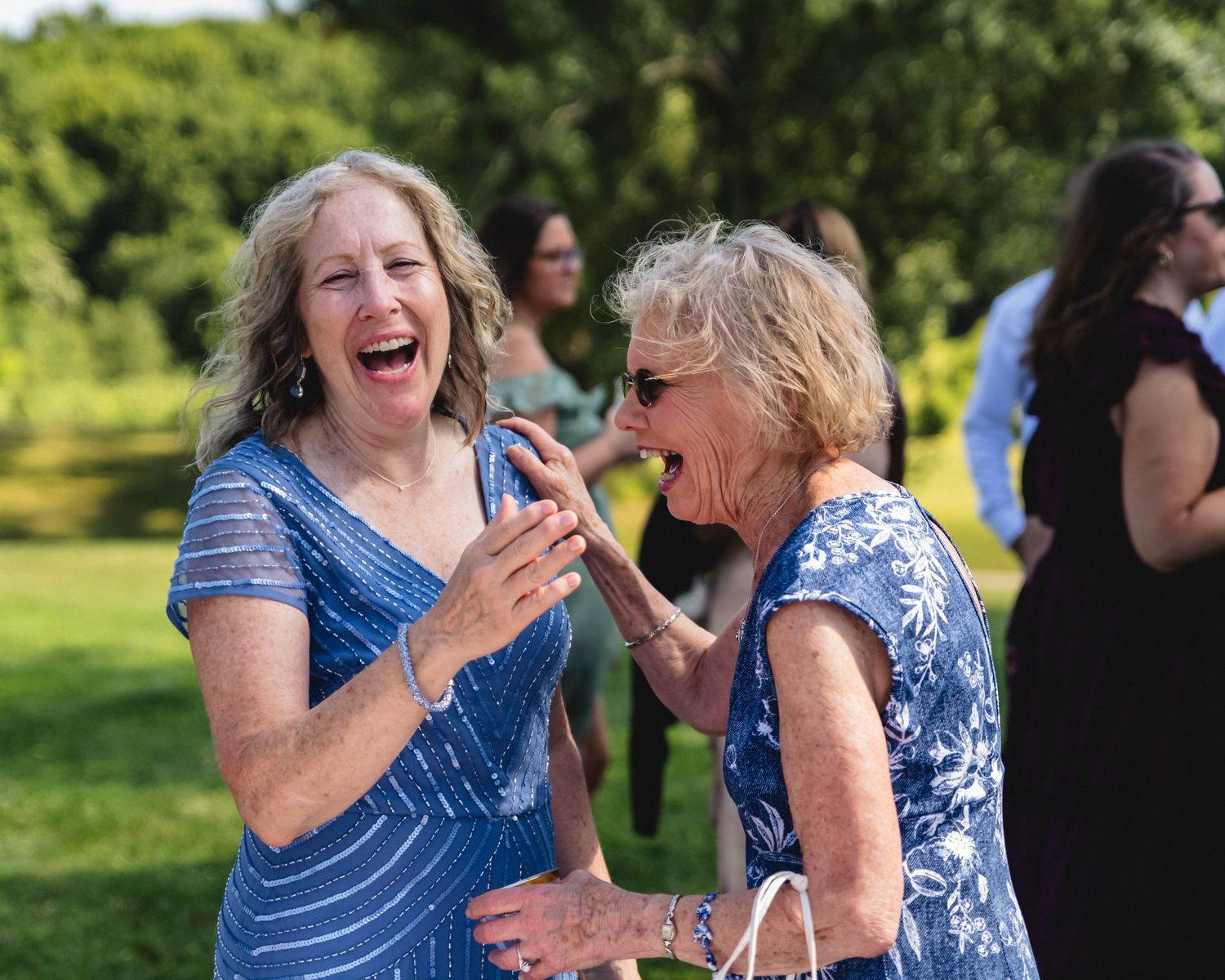
Cocktail Hour Coverage
Many lead photographers use cocktail hour to complete family formals or wedding party portraits.
During this time, a second photographer is often responsible for:
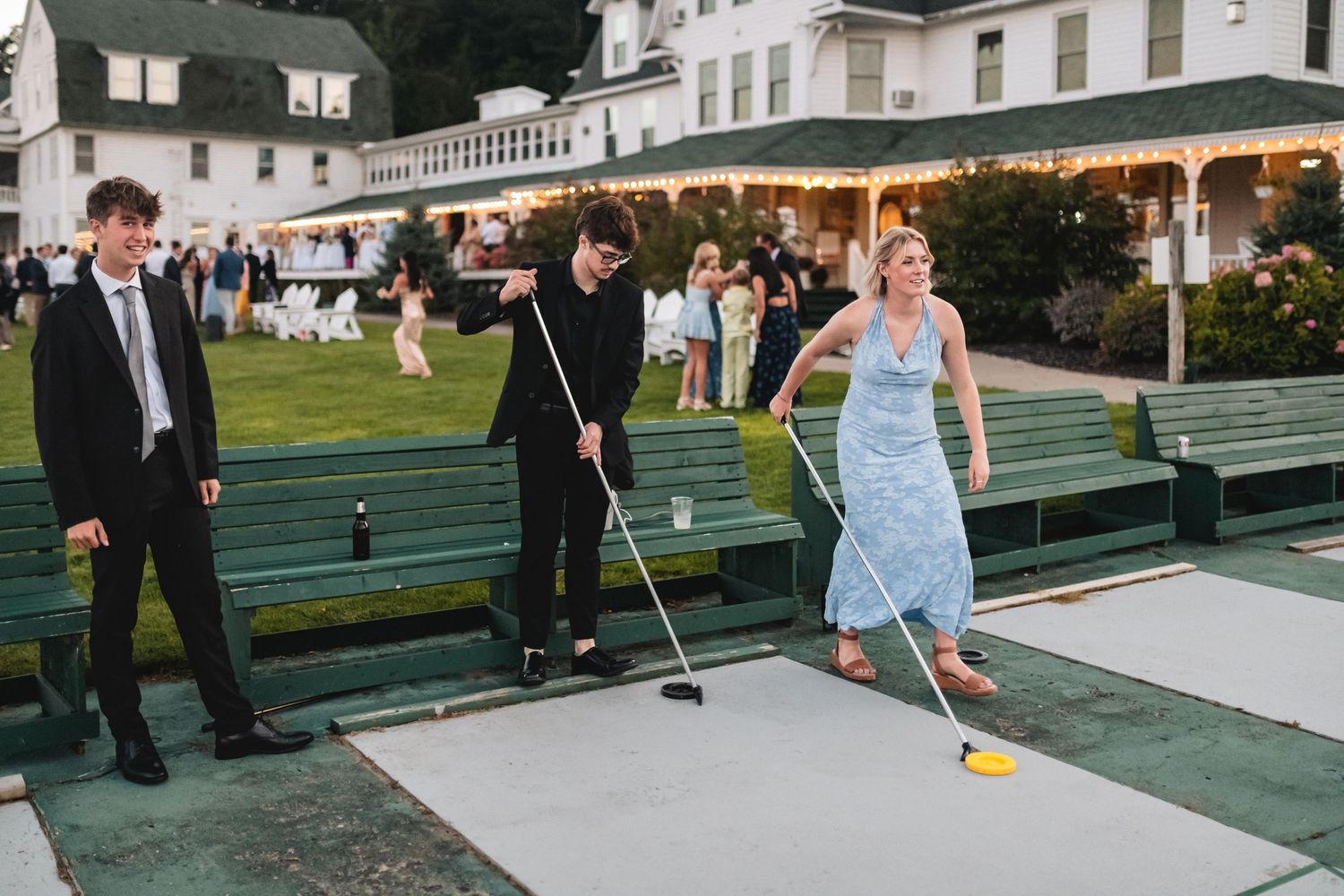
- Guest candids
- Cocktail hour details
- Reception room photos
- Decor documentation
- Interactions between guests
Helping With Posing and Touch-Ups
A great second photographer notices small details before the shutter clicks.
Things you should always be watching for:
- Twisted ties
- Crooked jackets
- Bunched clothing
- Uneven lapels
- Hair ties on wrists
- Phones in pockets
- Sunglasses on heads
- Name tags
- Distracting objects
You may also be asked to:
- Fluff the bride's dress
- Straighten veils
- Arrange trains
- Move bouquets
- Adjust boutonnieres
- Fix clothing wrinkles
These small details make a huge difference in the final images.
What Not to Do
One of the most common mistakes newer second photographers make is forgetting their role.
You are there to support the lead photographer.
Unless specifically invited, do not:
- Take over portrait sessions
- Interrupt the lead's direction
- Introduce your own posing sequence
- Pull the couple away for your own creative ideas
- Compete for attention
This does not mean you shouldn't be creative.
It means you should understand when and where creativity belongs.
Remember: this is someone's wedding day.
The goal is to capture the day the couple hired the lead photographer to create—not to use the wedding as a personal portfolio-building exercise.
If the lead photographer offers an opportunity for creative images, fantastic. Take it.
If not, stay focused on supporting the overall vision and client experience.
Professional Wedding Day Etiquette
How you conduct yourself matters just as much as the photographs you create.
Always:
- Arrive early
- Be prepared
- Follow the lead photographer's instructions
- Stay attentive
- Be helpful
- Remain professional
Avoid discussing:
- Personal drama
- Politics
- Religion
- Inappropriate topics
- Complaints about clients or vendors
Remember why you are there.
Your energy should help create a positive experience for everyone around you.
The wedding party should remember you as someone who was friendly, encouraging, professional, and enjoyable to be around.
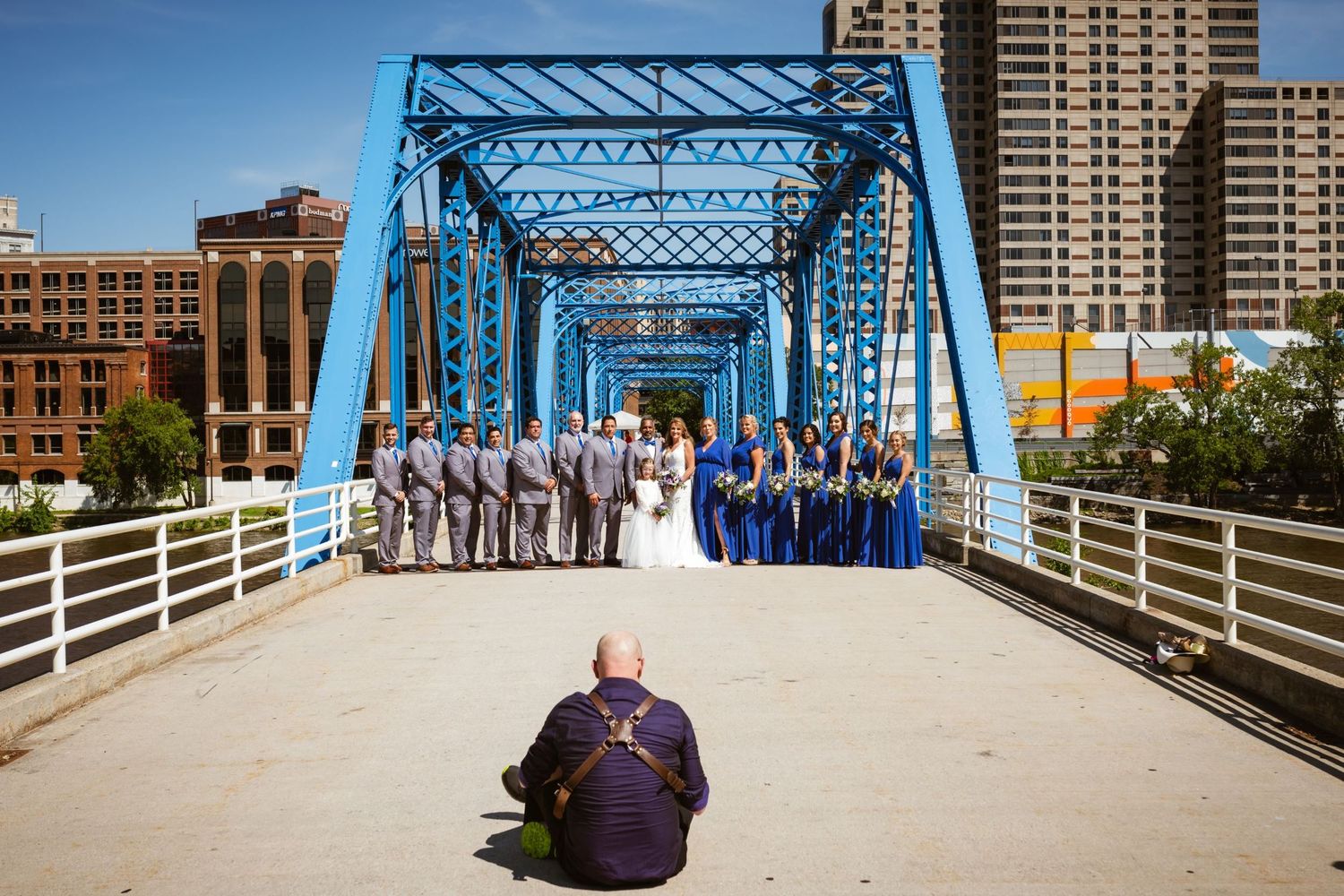
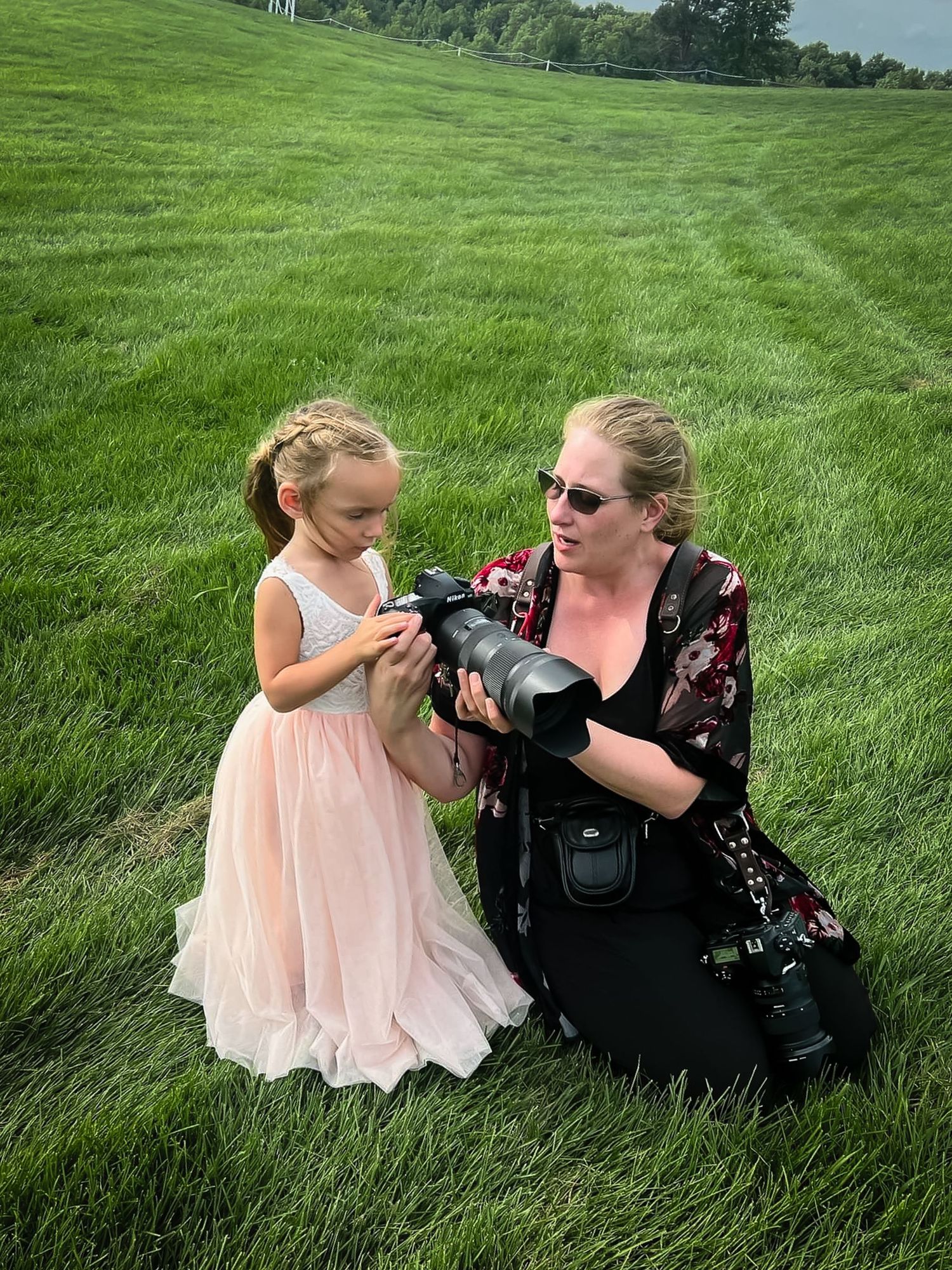
What Should a Second Photographer Wear?
Dress professionally and appropriately for the event.
In most situations:
Wear all black or dark neutral clothing
Choose comfortable professional footwear
Avoid bright or neon colors
Avoid large logos
Avoid distracting patterns
You should blend into the wedding day while still looking polished and professional.
If the lead photographer provides a dress code, follow it.
Social Media and Portfolio Etiquette
Many lead photographers allow second photographers to share images after delivery.
If you are given permission:
Wait Until the Full Gallery Is Delivered
Never post wedding images before the lead photographer has delivered the final gallery to the couple.
Only Share Delivered Images
Only share images that appear in the final delivered gallery.
If an image was not selected for delivery, there is usually a reason.
Give Proper Credit
When sharing:
- Tag the lead photographer
- Clearly identify yourself as the second photographer
- Respect any sharing guidelines provided by the lead
Professional courtesy matters.
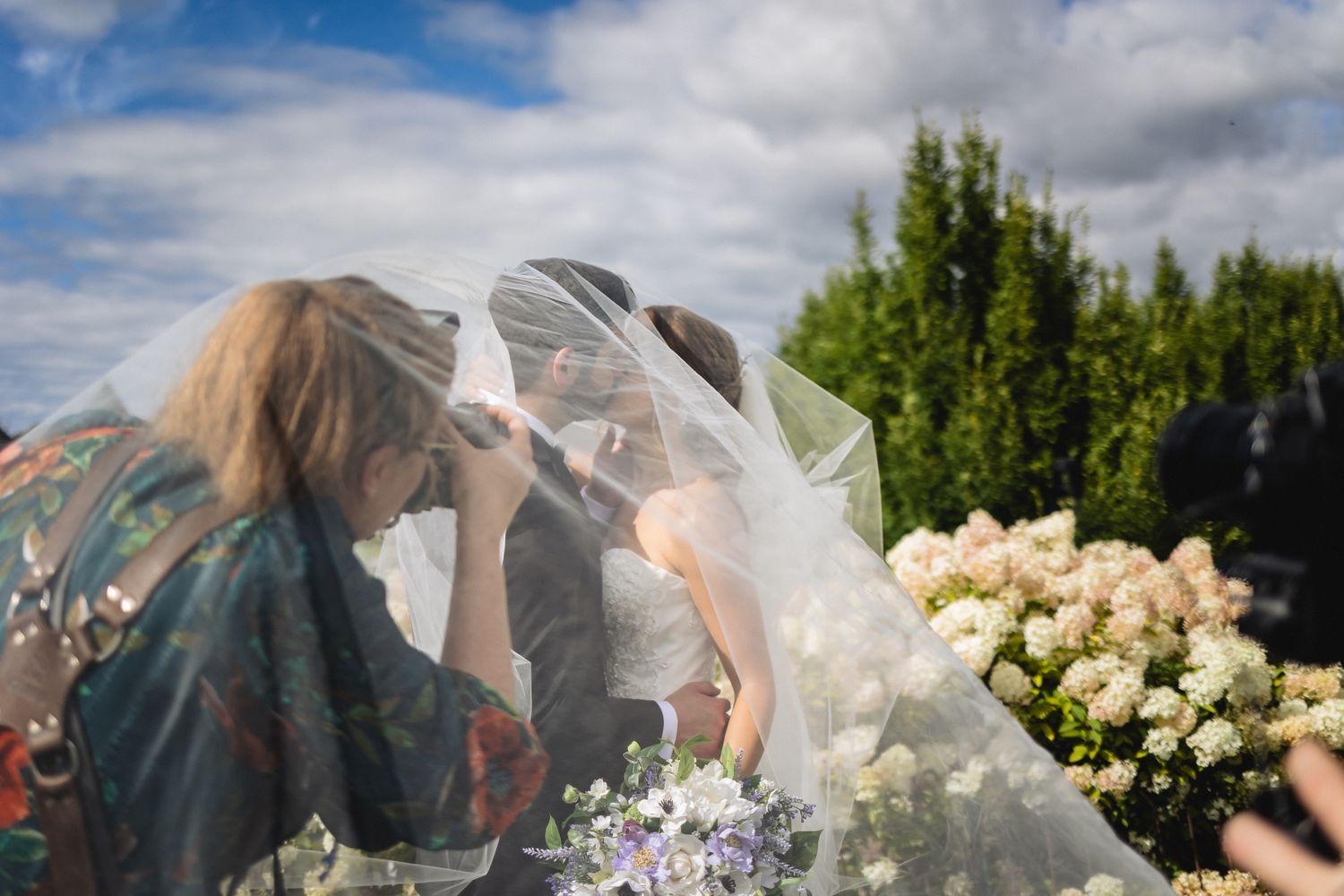
Capture Behind-the-Scenes Content
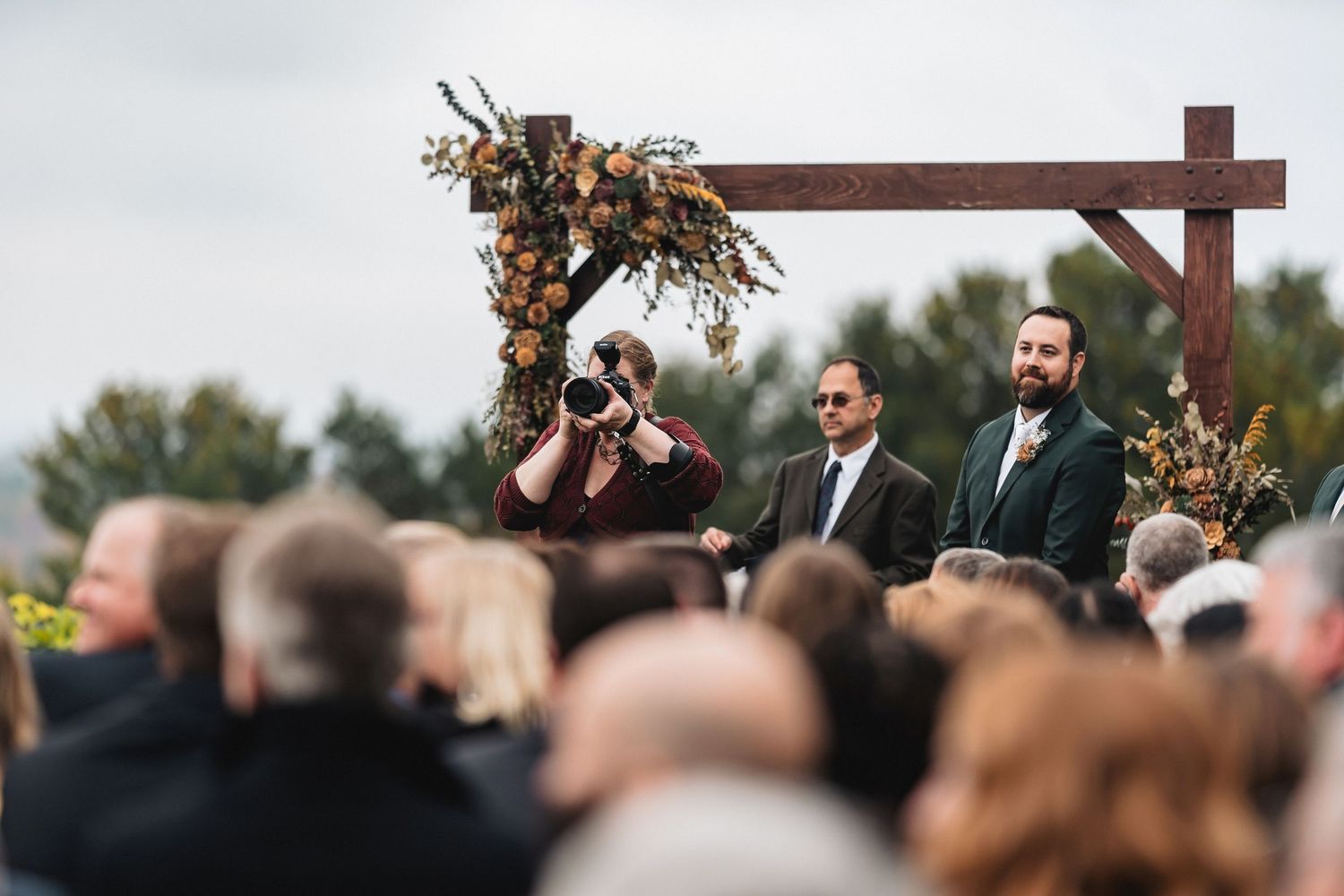
One of the easiest ways to become a lead photographer's favorite second shooter is by capturing behind-the-scenes content.
Take:
- Flattering photos of the lead photographer working
- Videos of the lead directing the couple
- Clips of portrait sessions
- BTS moments that can be used for marketing
Many lead photographers rarely have professional content of themselves working.
Providing these images is an incredible value-add.
Be Honest About Your Experience Level
This is perhaps the most important section of this article.
Never lie about your experience.
Never claim skills you do not have.
Never represent yourself as capable of handling situations that you cannot confidently manage.
If you do not know how to:
- Use on-camera flash
- Use off-camera flash
- Photograph in difficult lighting
- Operate professional camera systems efficiently
- Work with dual-card-slot full-frame camera bodies
- Handle fast-paced wedding environments
Then consider starting as an assistant first. There is absolutely nothing wrong with learning.
In fact, many excellent wedding photographers began by assisting before moving into second shooting roles.
The difference is honesty.
A wedding cannot be recreated.
There are no do-overs.
Couples deserve professionals who can confidently perform the responsibilities they accept.
Being a second photographer is one of the most enjoyable and rewarding jobs in the wedding industry.
You get a front-row seat to incredible celebrations, the opportunity to learn from experienced professionals, and the chance to contribute to memories that will be treasured for generations.
But great second photographers understand something important:
The job is not about being the star.
The job is about making the lead photographer's work stronger, making the client's experience better, and delivering a gallery that tells the complete story of the wedding day.
Do that consistently, and lead photographers will keep calling you back.